The Sweet Side of Aurora CO at a Cuban Bakery
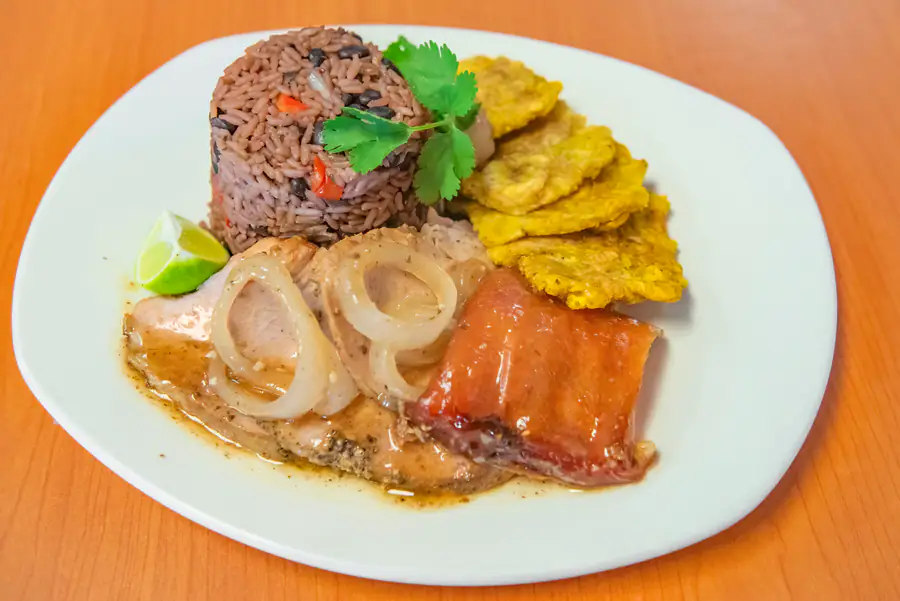
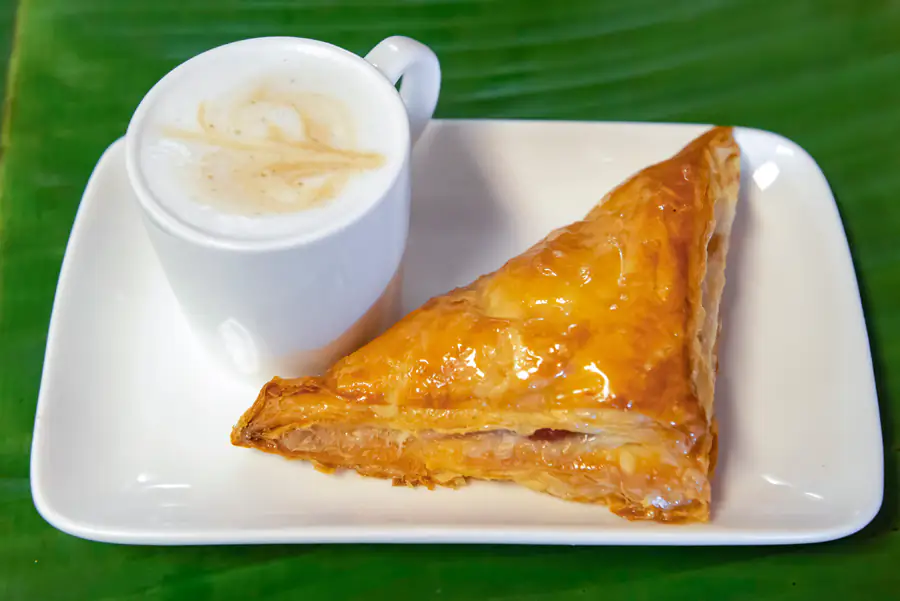
Aurora has never been a one-note food town. Its dining scene stretches across continents, neighborhoods, and generations, often without much fanfare. You find Korean soups in one plaza, Ethiopian coffee in another, and family-run panaderías tucked beside everyday businesses that locals pass without realizing what waits inside. That variety is part of what makes the city interesting to eat through. It is also why a good Cuban bakery in Aurora CO feels so right here. The city rewards places that cook from memory, serve with confidence, and let the food do the persuading.
A Cuban bakery offers more than sweets lined up behind glass. It carries a rhythm. There is usually the smell of butter and sugar near the front door, strong coffee not far behind, and a case filled with pastries that look simple until you bite into them. Then the details show themselves. Flaky layers that shatter lightly. Guava that tastes bright rather than sticky-sweet. Custard with enough egg richness to feel substantial. Bread with a soft crumb and a delicately burnished crust. Even a plain roll can tell you a lot about the hands that made it.
In a city like Aurora, where people are used to evaluating restaurants honestly and quickly, bakeries earn loyalty the old-fashioned way. They become part of routine. Someone stops in before work for café con leche and a pastry. A family picks up a box on Sunday afternoon. A neighbor grabs bread for sandwiches and leaves with a slice of flan because it looked too good to ignore. That kind of repeat business is not built on trendiness. It is built on consistency, restraint, and knowing exactly what each item should taste like.
What makes a Cuban bakery distinct
People sometimes group all Latin bakeries together, but that flattens meaningful differences. A Cuban bakery has its own language of flavor and texture. The pastry case often leans toward guava, coconut, cream cheese, custard, caramel, and puff pastry rather than heavily frosted cakes or oversized sweets. Sweetness matters, of course, but balance matters more. Good Cuban pastries are rarely cloying. They are designed to work with coffee, not overpower it.
That relationship with coffee is central. Walk into a true bakery with Cuban roots and coffee is not an afterthought sitting off to the side. It is part of the experience, almost a companion to the pastry case. The sharp, dark edge of espresso makes flaky dough taste richer and fruit fillings taste brighter. Café con leche smooths everything out. A small sweet pastry with a warm coffee can feel like a full breakfast, especially when time is short.
The savory side deserves just as much respect. Cuban bakeries often do excellent sandwiches, stuffed pastries, and breads. Ham croquetas, meat-filled pastries, medianoche sandwiches, and Cuban bread all belong in the conversation. Many first-time visitors go for dessert and leave surprised that the savory case was the real anchor. That is one of the pleasures of these places. They do not separate sweet comfort from practical eating. They understand that a neighborhood bakery needs to feed people at different hours and in different moods.
The pastry case tells the story
You can learn a lot from one slow look at a bakery case. In a strong shop, the range feels intentional rather than crowded. There may be guava pastries, pastelitos with cream cheese, custard-filled pieces, turnovers, cookies, flan, tres leches cake, and bread pudding, but the point is not quantity alone. The point is whether each item looks like it belongs there.
The best guava pastry is a good example. Too often, less careful bakeries rely on filling to carry the experience. You get a neon strip of fruit paste inside underbaked dough and a thick sugar glaze on top. It tastes loud and unfinished. In a better version, the guava is fragrant and slightly tart, the pastry layers are crisp but tender, and the sweetness lands cleanly. If cream cheese is added, it should cool and round out the fruit rather than bury it.
Flan is another useful measure. A proper flan should wobble gently, not slump. It needs enough structure to slice cleanly and enough silkiness to feel luxurious. The caramel should have depth, not just sweetness. When it is made well, flan tastes almost understated at first bite, then richer as it lingers. That kind of dessert reflects restraint, which is often the difference between a decent bakery and one worth returning to.
Tres leches can be trickier than people assume. The dessert has become popular far beyond its roots, which means many versions lean too wet or too sweet. In a Cuban bakery setting, a good tres leches should absorb milk mixture without collapsing into mush. The crumb needs to hold. The top should not be piled so high with whipped topping that it turns anonymous. Done right, it feels cool, airy, and deeply comforting.
Why Aurora is a natural home for this kind of bakery
Aurora supports bakeries because it is a city of daily habits. People commute, juggle family schedules, and look for reliable places where the service is quick but not impersonal. A bakery fits that pattern better than many full-service restaurants. It meets people in the spaces between obligations. Breakfast before school drop-off. A sandwich at lunch. A pastry box for a birthday at home. Bread on the way back from errands.
The city also has a practical palate. Aurora diners can spot the difference between decorative food and food made with purpose. That works in favor of a Cuban bakery in Aurora CO because this style of baking is rarely about spectacle. It is about execution. Laminated dough has to be handled correctly. Custard has to be cooked with attention. Bread has to be proofed properly. These are small disciplines, but customers notice the result even if they do not describe it in technical terms.
There is also something important about the multicultural texture of Aurora. Residents are often open to trying something unfamiliar, but they also demand value and authenticity. A bakery that respects its traditions while welcoming newcomers can thrive here. It can serve the customer who grew up eating pastelitos and the customer who is tasting guava pastry for the first time. The bridge between those two people is quality.
Morning at the bakery feels different
Every bakery has its prime hours, and mornings often reveal the place most honestly. The air is warmer then, the trays are fuller, and the staff moves with that brisk confidence that comes from repetition. Orders are called, coffee is poured, and regulars make decisions quickly because they already know the menu. If you want to understand whether a bakery has become part of neighborhood life, watch the first rush.
A strong morning service says a lot. Bread should look freshly baked rather than staged from the day before. Pastries should have crisp edges, not tired glaze. Savory items should smell alive, with butter, ham, onion, or spice coming through. Good bakeries often have a pace that is efficient without feeling rushed. Staff may recognize people by order, ask if they want the usual coffee, or tuck an extra napkin into the bag because they know which pastry tends to shed flakes in the car.
Those details matter because bakeries are deeply tactile businesses. Customers touch the bag while it is still warm. They notice whether the pastry survives the trip home. They remember whether the bread held up through the evening. Restaurants can distract with lighting, music, or long menus. Bakeries have fewer places to hide. The food leaves the counter and has to keep proving itself.
The range of treats worth seeking out
If you are new to the category, it helps to know what often stands out in a Cuban bakery. Not every shop makes every item, and some house specialties deserve the spotlight over standard picks. Still, a few classics tend to reveal the bakery's strengths.
- Guava and cheese pastries
- Flan
- Tres leches cake
- Croquetas
- Cuban bread or a medianoche sandwich
That short list is a starting point, not a rulebook. Some bakeries shine because of one exceptional item rather than broad range. I have seen modest neighborhood shops with an average pastry case but unforgettable bread pudding. I have also seen bakeries with gorgeous displays where nothing tasted as sharp as it looked. The point is to pay attention to what the bakery itself seems proud of. Often the best clue comes from what sells out early or what regulars order without pausing.
Sweetness is only half the appeal
People hear “bakery” and picture dessert first. That makes sense, but it understates how complete the experience can be. In many Cuban bakeries, the savory items are not supporting players. They are lunch, a quick dinner, or the thing you bring back to the office because one pastry was not enough. The line between bakery and casual café is often productively blurred.
Take the sandwich side. A good Cuban sandwich is about more than stacking roast pork, ham, pickles, mustard, and Swiss. The bread matters at every stage. It needs to compress under the press without becoming dense. The crust should crisp. The interior should absorb flavor while staying structured. Medianoche, with its softer, slightly sweeter bread, offers a different balance and is worth ordering when available. Some customers prefer it because it brings the sandwich closer to the flavor profile of the pastry case without turning it into a novelty.
Croquetas deserve separate praise because they are easy to get wrong. The outside should fry up golden and delicate, not greasy or hard. The filling should be smooth, savory, and warm all the way through. Ham is the classic benchmark, though chicken and other variations appear. A fresh croqueta with coffee makes more sense than many people expect. Salt and richness sharpen the coffee, while the coffee cuts through the richness.
How to tell when a bakery is doing things right
Good bakeries reveal themselves in small, repeatable ways. Nothing about them needs to be dramatic. In fact, the best signs are usually quiet.
- The bread feels light for its size and smells alive
- The pastry layers separate cleanly instead of turning gummy
- Fillings taste distinct rather than uniformly sugary
- Coffee is treated seriously, not as a side sale
- Popular items sell out because locals trust them
Texture is often the decisive factor. You can forgive a slightly uneven glaze or a plain display if the pastry structure is right. You cannot fake freshness. Dough either has elasticity and lift or it does not. Custard either tastes cooked properly or it tastes flat. Even icing tells on a bakery. When sugar dominates every bite, it usually means the underlying pastry is not carrying enough character.
Temperature matters too. Certain items should be served cool, others warm, and some best at room temperature. A bakery that understands this will guide the customer subtly through the way items are displayed and handed over. A sandwich pressed to order is one thing. Flan straight from the refrigerator is another. These may sound like minor choices, but they shape whether the food lands as thoughtful or merely available.
The social role of a neighborhood bakery
There is a reason bakeries become landmarks in ways that trend-driven restaurants often do not. They settle into people’s lives. They are not reserved for celebrations alone, though they certainly serve them. They are for ordinary Wednesdays, for school pickups, for bringing something to a coworker who had a rough week. A bakery can be both a destination and a utility, and that dual role gives it staying power.
In Aurora, where so many communities overlap, bakeries also create a low-pressure point of entry into another food tradition. A full sit-down dinner can feel like a commitment when someone is trying a cuisine for the first time. A pastry and coffee do not. They invite curiosity. A customer may come in for one guava pastry, ask a question about the filling, notice the sandwiches, then return a week later for lunch. That is how local food culture expands in real life, not through grand statements but through repeated small experiences.
Family-run bakeries especially tend to carry this community role well. Recipes are often inherited, adapted, and defended over time. Staff may speak more than one language at the counter. Children of the owners might help on weekends, learn the register, or pack boxes during holidays. Even when a bakery modernizes its look, those roots tend to show in how the place operates. Customers sense that continuity.
Pairing matters more than people think
One of the most satisfying things about a Cuban bakery is how naturally the pieces fit together. Sweet with coffee, flaky with creamy, rich with acidic. The menu is often more cohesive than it first appears.
A bright guava pastry works especially well with a strong espresso because the fruit pulls the bitterness into focus. A creamier dessert, like flan or tres leches, benefits from coffee with milk because the textures mirror each other. Savory pastries and croquetas pair well with black coffee in a way that surprises newcomers but makes perfect sensory sense. The salt, fat, and crisp exterior create contrast, and the coffee keeps the snack from feeling heavy.
This is where bakery experience differs from simply buying dessert. You are not just selecting something sweet. You are often building a small meal or break with balance in mind. The best bakeries understand that instinctively. They may not frame it in culinary language, but the menu reflects it.
Visiting with intention
If you want the fullest experience, timing helps. Morning usually offers the widest choice and the freshest bread. Midday can be ideal for sandwiches and savory items. Late afternoon has its own charm, especially if you are picking up pastries to bring home, but some of the best-loved items may already be gone. That is not a flaw. In many bakeries, sellouts are a sign that products move at the pace of real demand rather than sitting for display.
It also helps to buy across categories. If you only sample dessert, you get one slice of what the bakery can do. If you only grab bread, you miss the pastry craft. The most revealing visit often includes a pastry, one savory item, and a coffee. That small spread gives a fair sense of technique, seasoning, freshness, and range.
For families, a bakery can solve several needs at once. Someone wants sweets, someone else needs lunch, another person just wants good bread. Few food businesses handle all three with equal ease. That flexibility is a major reason neighborhood bakeries stay relevant even as dining trends shift around them.
Why these places endure
A bakery lasts because it becomes dependable, not because it tries to impress every person who walks in. That distinction matters. The pastry case may be beautiful, but beauty alone does not create regulars. People return for the guava pastry that tastes the same in the best way, for the sandwich bread that always holds together, for the coffee that starts the day correctly. They return because the place respects appetite rather than performance.
That is the sweet side of Aurora, and not just in the sugar-on-pastry sense. It is sweet in the broader, more lasting way, the comfort of finding a business that knows its craft and serves https://arthurcksu165.clarionvale.com/posts/explore-traditional-pastries-at-a-cuban-bakery-aurora-co its neighborhood well. A Cuban bakery in Aurora CO fits the city because Aurora values substance wrapped in welcome. It likes food with a story, but it likes food that actually satisfies even more.
Spend enough time in local bakeries and you start to understand a city differently. You see who drops in before work, who brings boxes to family gatherings, which trays empty first, how comfort travels across cultures with very little explanation. In that setting, one flaky pastry or strong coffee can say a lot. It can say that tradition still matters, that technique still matters, and that some of the best eating in Aurora happens not under spotlights, but behind a bakery case glowing quietly on an ordinary day.
Cuba Bakery & Café
15028 E Mississippi Ave, Aurora, CO 80012
+1 303-752-2822
FAQ About Cuban bakery Aurora CO
What are Cuban pastries called?
Many small Cuban pastries are called pastelitos. They can have sweet or savory fillings, such as guava, cheese, guava and cheese, or seasoned meat. Cuba Bakery & Café lists guava, cheese, guava-and-cheese and beef pastries on its menu. Ask the bakery about current availability and ingredients when ordering.
What are traditional Cuban pastries?
Common Cuban bakery choices include flaky pastelitos filled with guava, cheese or meat. Cuban bakeries may also offer empanadas, breads and desserts alongside coffee. Cuba Bakery & Café lists pastelitos, several empanada fillings, pan Cubano and desserts such as tres leches and bread pudding. Selection can vary, so confirm the day's choices with the bakery.
What makes Cuban bread different?
Cuban bread is known for its light interior and a thin crust that becomes crisp when toasted or pressed. Traditional recipes often use lard, although ingredients vary by baker. It is commonly served as buttered toast or used for Cuban sandwiches. Cuba Bakery & Café lists pan Cubano and tostada on its menu; ask staff about the ingredients in their bread if you have dietary restrictions.